
How AI Is Changing Home Maintenance and Property Management
How AI Is Changing Home Maintenance and Property Management
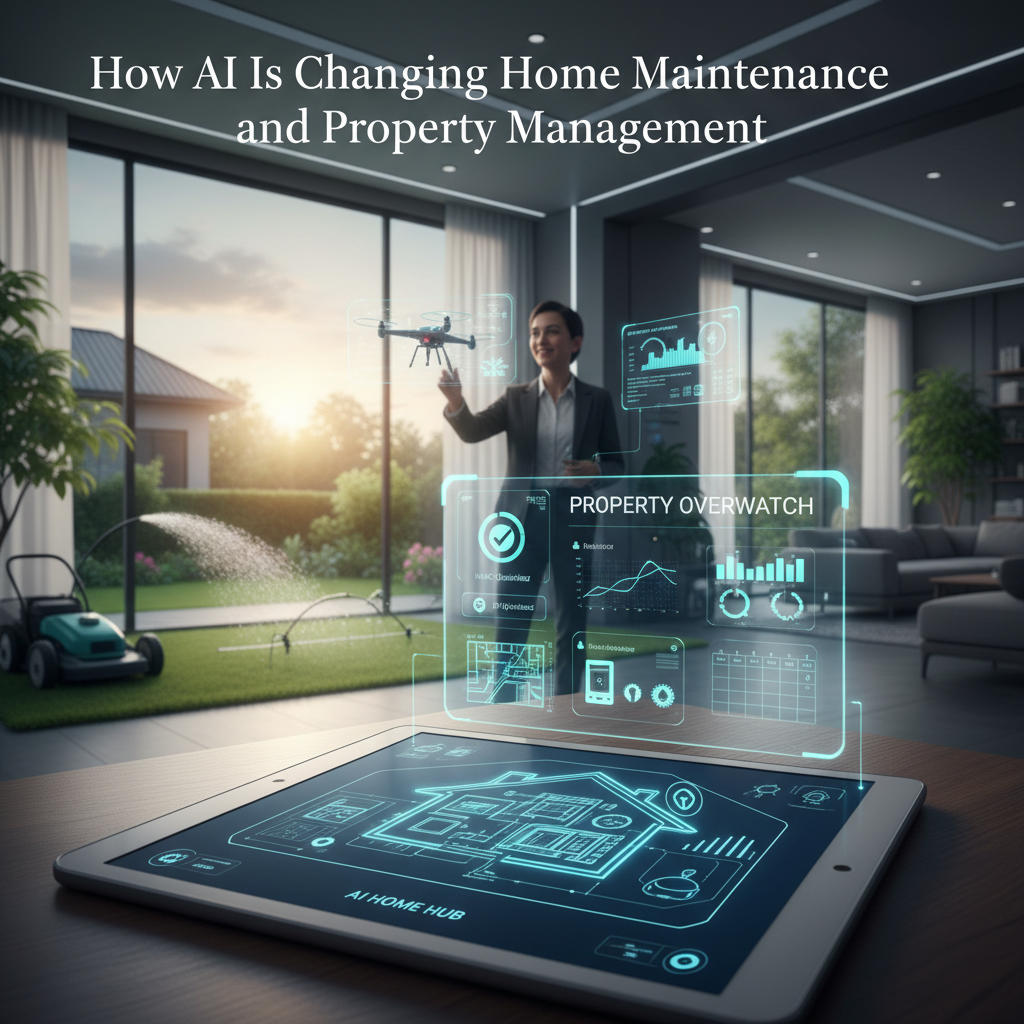
Artificial intelligence is reshaping how homeowners and property managers care for buildings, plan repairs, and communicate about issues. By combining data, automation, and simple user interfaces, AI tools help organize maintenance, surface potential problems before they become emergencies, streamline service requests, and keep property records accurate and accessible. This article explains practical uses, limitations, and responsible practices so you can decide which tools make sense for your home or portfolio.
Organizing maintenance and preventive care
One of the clearest benefits of AI is turning messy maintenance calendars into organized, prioritized plans. Systems that use AI can aggregate schedules, warranties, and historical repair data to create tailored preventive-maintenance programs for each property.

Maintenance reminders and scheduling
Rather than relying on manual calendars, AI-driven platforms can:
- Generate recurring reminders for HVAC filters, gutter cleaning, and seasonal checks based on manufacturer intervals and local climate.
- Prioritize tasks by risk and cost—helping owners decide which items to address first when budgets are limited.
- Suggest optimal timing to minimize tenant disruption or to align with vendor availability.
These systems reduce overlooked tasks and make preventive maintenance less reactive and more systematic.
Identifying potential problems early
Predictive analytics and sensor data are where AI adds measurable value. By analyzing patterns from smart meters, leak sensors, thermostats, and past repairs, AI models can flag anomalies and estimate the likelihood of component failure.
Examples of early detection
- Energy spikes that suggest an HVAC unit is losing efficiency.
- Unusual vibration or sound patterns captured by sensors that indicate a mechanical issue.
- Image-based inspection tools that assess roof or facade condition from photos taken by drones or smartphones.
These alerts do not replace inspections but help prioritize where and when a human technician should look, reducing emergency repairs and downtime.
Streamlining service requests and vendor coordination
AI improves the flow from issue reporting to resolution. It can triage requests, suggest likely causes, and match jobs to the right vendor or technician—shortening response time and reducing back-and-forth.
How request management improves
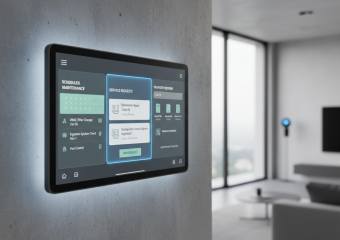
- Automated intake: Tenants or homeowners submit photos and symptoms; AI categorizes and assigns urgency.
- Smart dispatch: The system recommends vendors based on availability, past performance, and cost profiles.
- Status automation: Tenants receive timely updates—reducing calls and improving satisfaction.
This reduces administrative load for property managers and makes the repair process more transparent for residents.
Tracking property information and documentation
Maintaining accurate records is essential for compliance, resale value, and long-term planning. AI helps organize and extract meaning from disparate documents and media.
- Document parsing turns invoices, warranties, and inspection reports into searchable data fields.
- Photo and video logs allow quick review of past conditions and support insurance claims or tenant disputes.
- Automated summaries give managers fast recall of equipment age, replacement history, and upcoming lease obligations.
Centralized records reduce guesswork and protect against data loss from isolated spreadsheets or paper files.
Improving everyday home operations
Beyond maintenance, AI contributes to daily comfort and efficiency. Common uses include energy optimization, smart scheduling, and inventory reminders for supplies like filters or batteries.
- Thermostat and lighting controls that learn occupants’ patterns to save energy without sacrificing comfort.
- Smart reminders for consumables and seasonal tasks.
- Integration with voice assistants and mobile apps so occupants can report issues spontaneously and upload photos.
Responsible use of AI in home and property management
AI is a tool—not an infallible oracle. Responsible deployment requires attention to privacy, security, and human oversight.
Key considerations
- Data privacy: Define what sensor and tenant data will be collected, how long it’s stored, and who can access it.
- Security: Use strong authentication, encrypted backups, and vet third-party vendors for data protections.
- Human-in-the-loop: Keep technicians and managers in decision loops for critical or ambiguous issues.
- Transparency: Explain to tenants what automated systems do and how they affect operations and billing.
Getting started: practical steps
For homeowners and small portfolios, adopt AI incrementally:
- Start with one reliable feature such as maintenance reminders or a centralized record system.
- Pilot sensors or automated scheduling with a single property to test accuracy and workflow impact.
- Create simple policies covering data access, retention, and vendor selection.
- Train staff and tenants on new processes and maintain clear escalation paths.
Measured adoption preserves control and helps identify real ROI without overcommitting to unproven systems.
AI is not a replacement for skilled maintenance professionals or good landlord-tenant relationships, but when used thoughtfully it reduces routine work, surfaces problems earlier, and improves transparency. The result is better-maintained homes, fewer surprises, and more predictable budgets for both homeowners and property managers.