
How AI Is Changing Home Maintenance and Property Management
How AI Is Changing Home Maintenance and Property Management
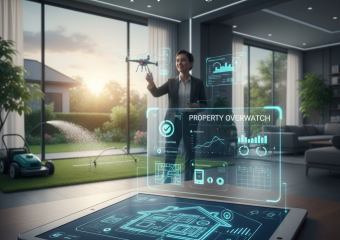
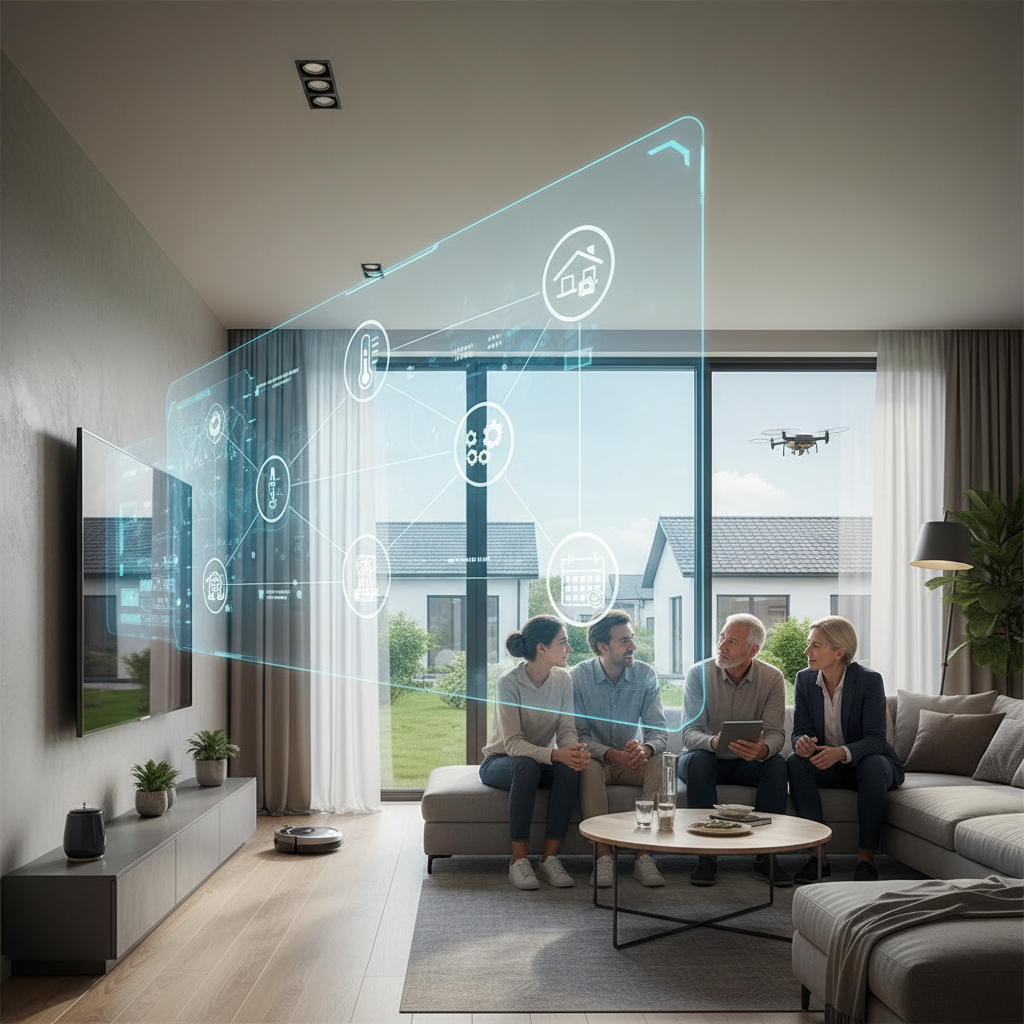
AI in property management is reshaping how building owners, facility teams, and residents approach upkeep and operations. From predicting equipment failures to automating tenant communication, artificial intelligence is enabling more proactive, efficient, and measurable maintenance practices while raising important questions about reliability and privacy.
Practical applications you’ll see today
Many applications of AI in property management are already in everyday use. They focus on reducing downtime, cutting costs, and improving resident satisfaction without replacing established tradespeople or management workflows.

Predictive maintenance
Instead of waiting for a pump, boiler, or HVAC unit to fail, AI analyzes sensor data—temperatures, vibration, run hours—to flag components that are drifting toward failure. Facilities teams can schedule targeted service visits, which lowers emergency repairs and extends equipment life.
Real-world example: a mid-size apartment complex that added vibration sensors to its boilers reduced emergency call-outs by identifying pump bearings wearing out several weeks before they failed.
Fault detection and remote diagnostics
AI-powered fault detection systems correlate events across systems—like an unexpected spike in humidity and an HVAC pressure drop—to narrow probable causes. That lets technicians arrive with the right parts and knowledge, speeding resolution.
Tenant experience and operations
Automated request triage
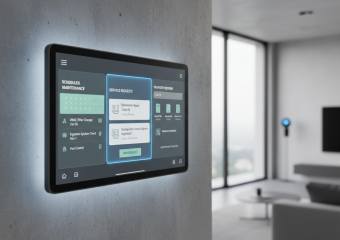
Chatbots and voice assistants can capture tenant issues 24/7, categorize them by urgency, and create maintenance tickets with photos or short videos. AI triage reduces administrative overhead and routes critical problems to on-call staff immediately.
Vendor coordination and scheduling
When multiple vendors are involved, AI can propose optimal windows for repairs, consolidate appointments, and predict how long jobs will take based on historical data—improving uptime and tenant satisfaction.
Energy management and smart systems
AI optimizes heating, cooling, and lighting schedules based on occupancy and weather forecasts. These systems find small, continuous efficiencies that add up to measurable savings while maintaining comfort.
Example: machine-learning models that adjust setpoints overnight to match predictable usage patterns without disrupting residents’ routines.
Reliability: what to expect and what to verify
AI systems are tools, not silver bullets. Their value depends on data quality, integration, and human oversight.
- Data hygiene: Sensors must be calibrated and installed correctly; poor inputs produce misleading alerts.
- False positives and negatives: Expect both. Plan workflows that let humans validate AI recommendations before major actions.
- Model drift: Regularly retrain or recalibrate models to reflect changing usage patterns and equipment aging.
Testing and verification
Before rolling AI decisions into critical workflows, run pilot programs, measure key performance indicators (response time, cost per ticket, downtime), and compare outcomes to manual baselines.
Privacy and responsible AI use
Deploying AI in inhabited spaces raises privacy and ethical considerations. Responsible use means minimizing data collection, anonymizing personally identifiable information, and being transparent with residents and staff.
- Collect only what you need: Avoid storing raw audio or continuous video unless strictly required.
- Access controls: Limit who can see recorded data and set retention schedules to delete old records.
- Consent and disclosure: Inform tenants about what data is collected, why, and how it improves service.
Implementation checklist for property managers
To adopt AI responsibly, follow a staged approach:
- Identify specific problems that AI could improve (e.g., recurring leaks).
- Start small with pilots on a single building or system.
- Measure outcomes against clear KPIs.
- Keep humans in the loop for validation and decision-making.
- Establish privacy policies and vendor contracts that protect resident data.
Conclusion
AI in property management is a practical, maturing set of tools—useful for predictive maintenance, tenant service automation, and energy optimization. Successful deployments balance technology with disciplined testing, clear accountability, and privacy safeguards. When implemented responsibly, AI helps maintenance teams work smarter, not replace the judgment and craft of experienced technicians.