

The Future of Home Management: AI for Smarter, Safer Homes
The Future of Home Management: AI for Smarter, Safer Homes
AI home management is changing how we run, protect, and maintain residential properties. From single-family homes to multi-unit buildings, artificial intelligence is enabling smarter automation, better security, improved energy efficiency, and more predictable maintenance—helping homeowners, landlords, and property managers operate with greater confidence and lower friction.
How AI Is Changing Home Management
AI adds context and automation to devices that were once isolated gadgets. Instead of manual controls, systems learn patterns, make suggestions, and execute routine tasks—freeing people from day-to-day minutiae while improving comfort and operational visibility.

Smart Home Automation
Modern automation platforms use AI-driven rules and routines that go beyond simple triggers. Examples include thermostats that adapt to occupancy and weather trends, lighting that adjusts based on natural light and homeowner behavior, and scenes that combine multiple devices for arrival, sleep, or away modes.
Connected Devices and Integration
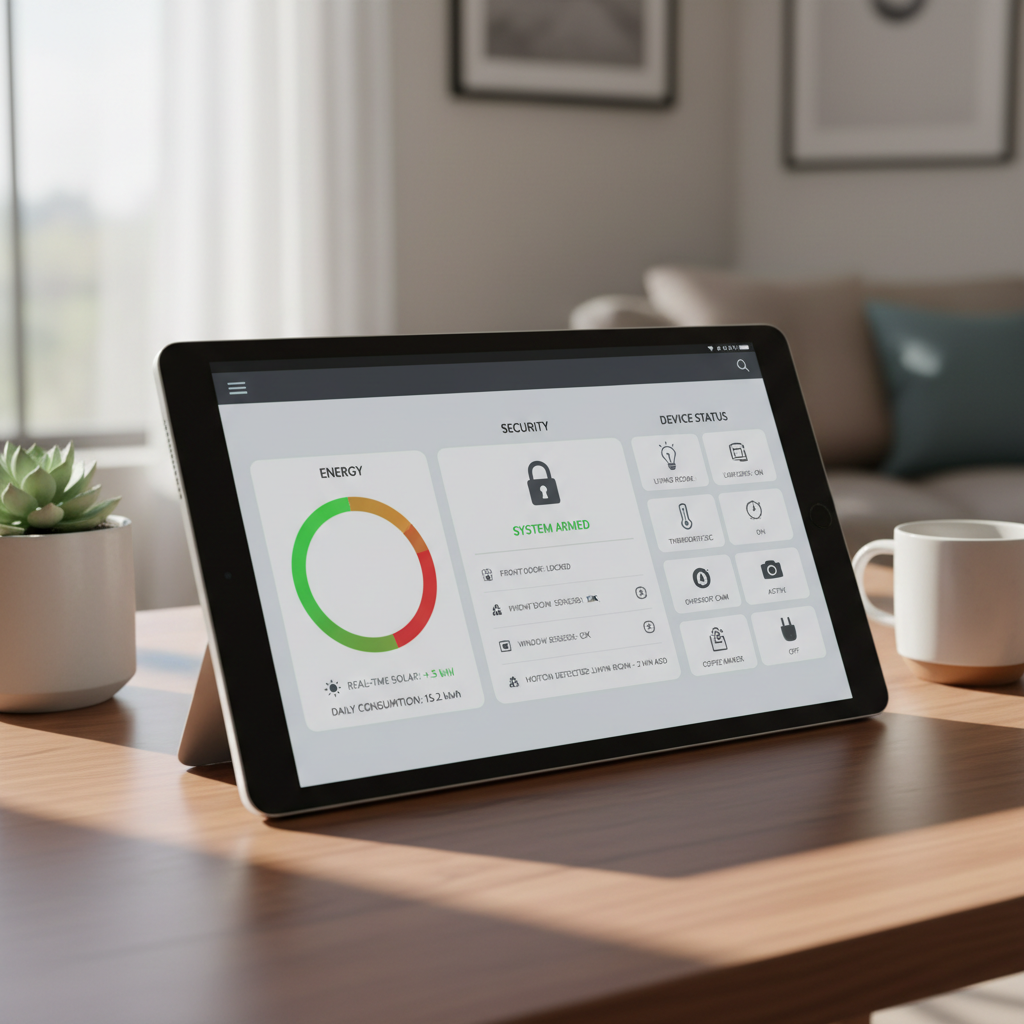
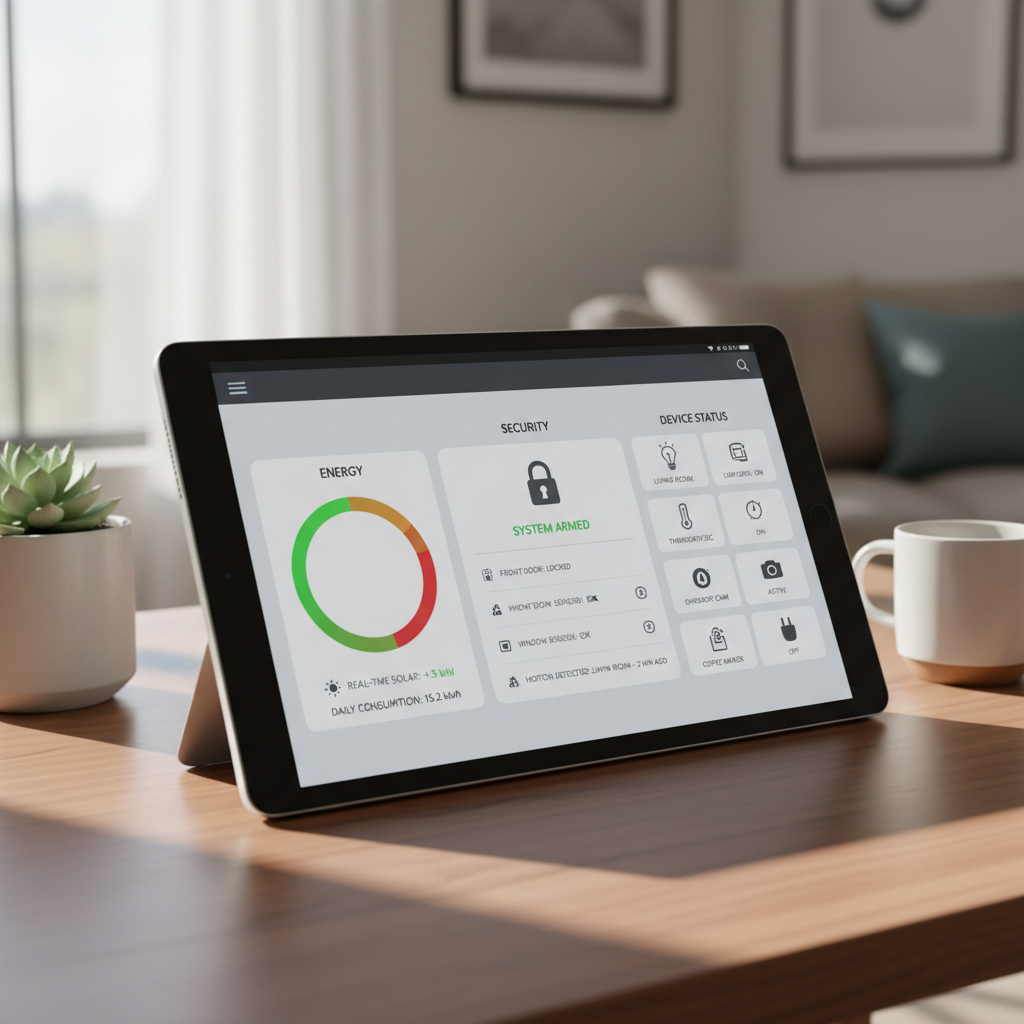
A key benefit of AI is integration. A unified hub or cloud service lets sensors, locks, cameras, HVAC, and appliances communicate. For a property manager overseeing units 213, 214, 217, 273, and 275, a single dashboard can show which units need attention, which sensors are offline, and which suites are vacant—streamlining remote management.
Security, Safety, and Predictive Maintenance
Home Security Improvements
AI enhances security by reducing false alarms and prioritizing real threats. Video analytics can distinguish people from pets, analyze suspicious activity patterns, and notify owners or managers with relevant clips. Access control improves with smart locks that log entries, integrate with tenant profiles, and support temporary codes for maintenance crews.
Predictive Maintenance
Rather than waiting for failures, AI examines sensor data and usage trends to flag likely issues—like a water heater struggling before it fails or an HVAC unit losing efficiency. This enables targeted service visits, which can lower disruption and reduce emergency repair costs.
Energy Efficiency and Cost Management
AI systems optimize energy use by coordinating heating, cooling, ventilation, and lighting. They can shift loads to off-peak hours, pre-condition spaces when occupants are expected to return, and provide actionable reports that show where consumption is highest.
For landlords and property managers, aggregated energy reports across multiple properties reveal where investments—such as smart thermostats or better insulation—are likely to be most effective. Cost management tools can also automate billing or pro-rate shared utilities when appropriate.
Real-World Examples
- Homeowners using adaptive thermostats that learn schedules and reduce manual adjustments.
- Landlords deploying smart locks and video entries to support self-guided showings and remote access for contractors.
- Property managers using sensor networks to detect moisture in shared spaces and schedule preventative maintenance before damage occurs.
Privacy and Cybersecurity Considerations
Smart homes collect personal data and require careful security planning. Best practices include segmenting guest and IoT networks from administrative systems, using strong, unique passwords, enabling two-factor authentication, and choosing vendors with clear privacy policies and local data controls. Regularly update firmware and review device permissions to reduce exposure.
Implementation Costs and Realistic Expectations
Costs vary by scale. A single-home starter setup may be achieved with a few intelligent devices and a hub, while multi-unit integrations require sensors, gateways, professional installation, and possibly recurring cloud subscriptions. Expect a mix of one-time hardware expenses and ongoing service fees; evaluate total cost of ownership over several years rather than focusing only on upfront price.
Practical Steps to Adopt Smart Home Technology
- Perform a needs audit: prioritize security and safety, then energy and convenience.
- Choose a reliable platform with open integrations and vendor support.
- Start small: pilot a single unit or common area, measure outcomes, and refine policies.
- Secure the network: separate IoT devices, update firmware, and enforce strong access controls.
- Train occupants and staff on privacy practices and proper device use.
Conclusion
AI-driven home management is practical today and will become more capable. Whether you own a home, manage a multi-unit property, or operate a portfolio, AI can streamline operations, improve security, and make energy use more efficient—if implemented thoughtfully. Start with clear priorities, pilot systems in controlled settings, and scale with attention to privacy, security, and total cost of ownership to realize benefits for occupants and managers alike.