

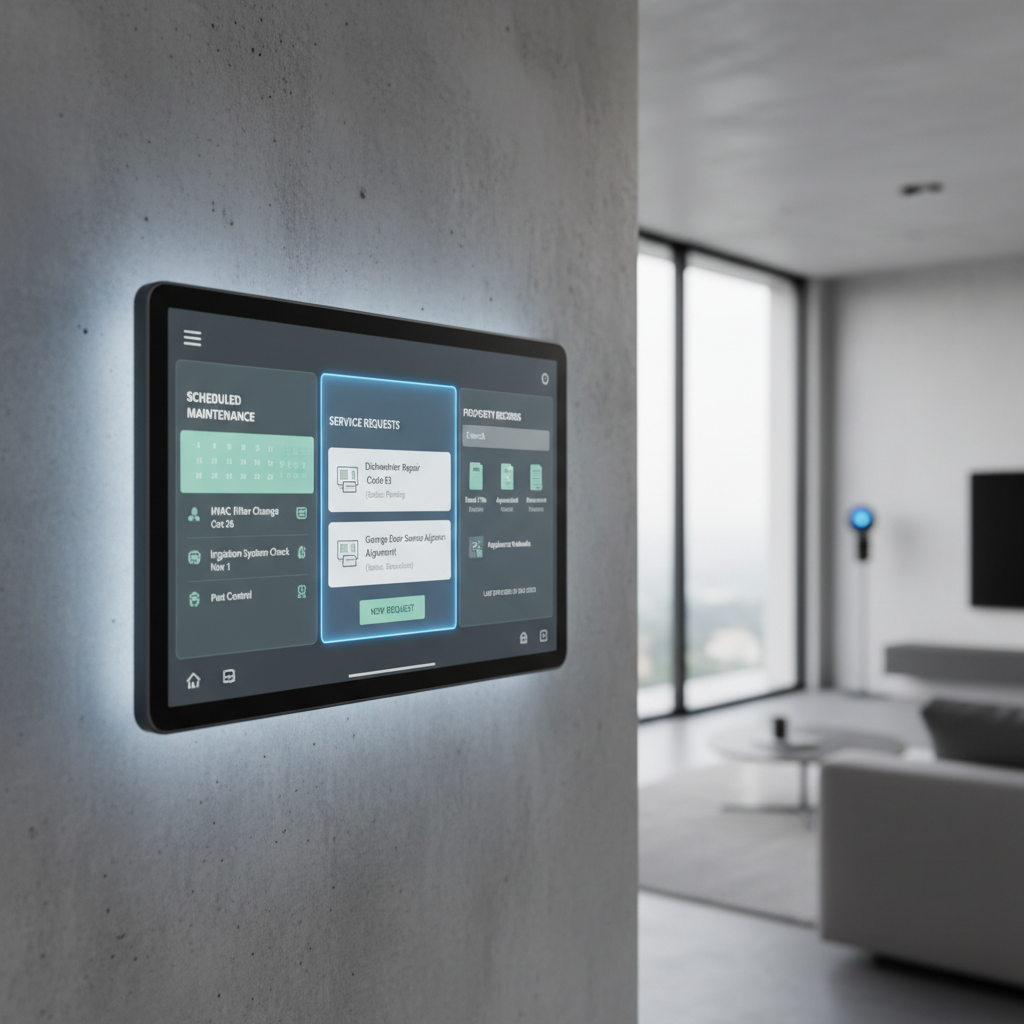
How AI Is Transforming Home Maintenance and Property Management
How AI Is Transforming Home Maintenance and Property Management
AI home management is changing how homeowners and property managers plan, track, and resolve maintenance tasks. By combining sensors, data, and automation, artificial intelligence can reduce reactive repair work, simplify record keeping, and speed up service requests—making everyday property management more predictable and efficient.
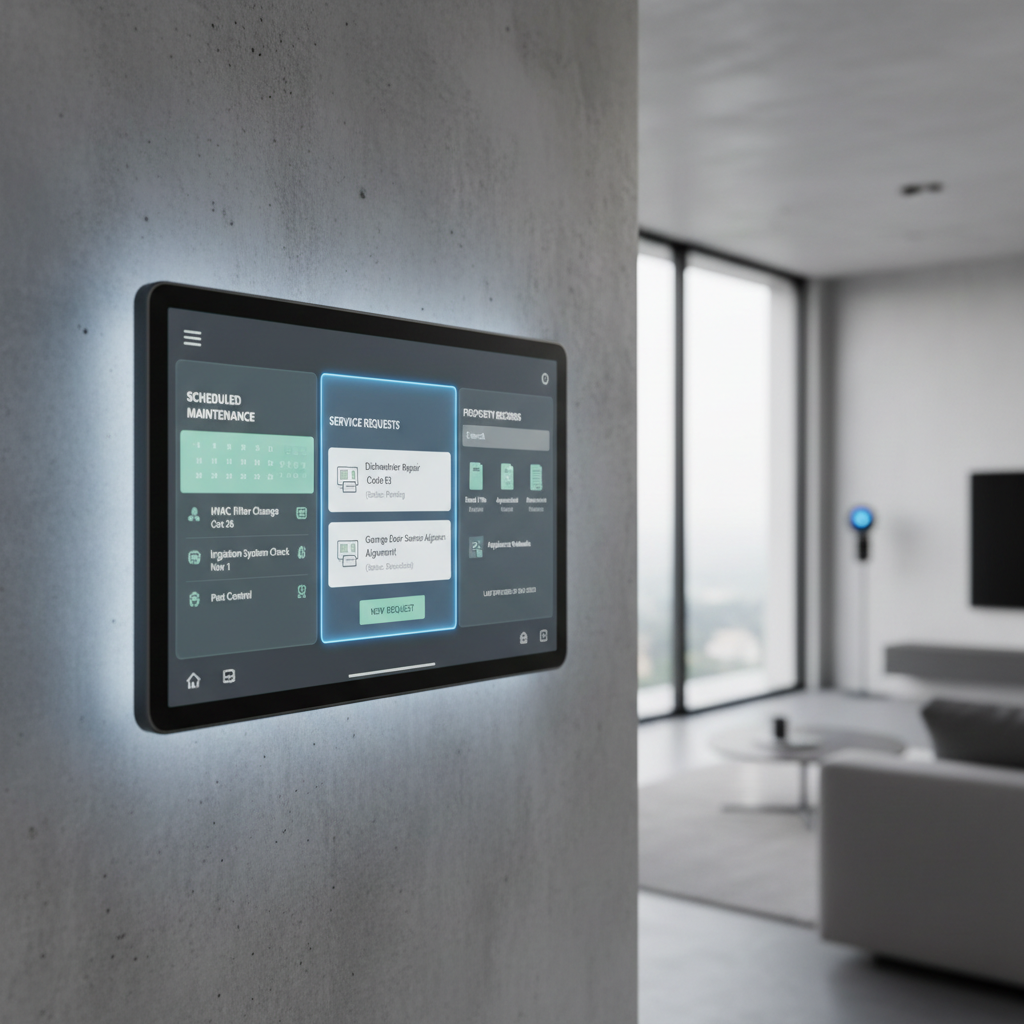
What AI brings to home maintenance
At its core, AI for homes analyzes patterns and recommends actions before small issues become large problems. That capability affects five practical areas: reminders, predictive maintenance, digital records, service coordination, and routine operations. Rather than replacing human judgment, AI augments it—surfacing priorities and reducing routine administrative overhead.

Automating reminders and routines
Simple reminders are among the most immediate benefits of AI home management. Systems can learn schedules, appliance lifecycles, and seasonal needs to trigger prompts at the right time.
How it works in practice
- Calendar-aware prompts: AI links maintenance tasks to family calendars and occupancy patterns to avoid conflicts.
- Contextual reminders: Instead of a generic “check HVAC,” AI suggests specific checks based on recent runtime hours or filter-change history.
- Automated recurring tasks: Lawn care, gutter cleaning, and smoke alarm testing can be scheduled and adjusted automatically as conditions change.
Digitizing and organizing property records
Keeping a single source of truth for warranties, invoices, inspection reports, and appliance manuals is a common pain point. AI helps by extracting and organizing data from uploaded documents and receipts, making records searchable and actionable.
Benefits for owners and managers
- Faster warranty lookups and eligibility checks.
- Automated expiry alerts for insurance, inspections, and service contracts.
- Centralized maintenance history that supports resale value and regulatory compliance.
Streamlining service requests and contractor coordination
AI reduces friction between tenants, homeowners, and service providers. Intelligent triage and routing can classify problems, suggest likely fixes, and match requests to the right vendor or in-house technician.
From report to resolution
- Automated issue classification: A smart system can distinguish between an electrical fault and a plumbing leak based on photos and symptom descriptions.
- Priority scoring: Severity, tenant vulnerability, and potential property damage feed into prioritization so urgent issues are handled first.
- Optimized scheduling: AI proposes time slots that minimize travel time and downtime for contractors servicing multiple properties.
Practical examples and everyday workflows
Here are realistic workflows that show AI home management in action:
- Predictive HVAC service: Sensors report abnormal motor vibration; AI schedules a diagnostic and notifies the homeowner before a breakdown.
- Tenant-initiated repair: A tenant uploads a photo of a leak; the system suggests temporary fixes, logs the request, and assigns a plumber with the correct parts on the truck.
- Annual property audit: AI aggregates inspection notes, highlights repeated problem areas, and produces a prioritized maintenance budget for the year.
Implementation tips and practical considerations
Adopting AI tools requires attention to data quality, user workflows, and privacy. Keep the rollout practical:
- Start with one function—reminders or records—and expand as staff learn the system.
- Maintain human review for non-routine decisions and vendor selection.
- Protect tenant and owner data with clear access controls and encryption.
Cost versus value
Not every property needs a full smart-sensor suite. For many small portfolios, the biggest gains come from digitizing records and automating service intake—features that are often available with modest subscription tools.
Conclusion
AI home management is practical and incremental. By automating reminders, organizing property records, and streamlining service requests, AI helps shift property management from reactive firefighting to planned maintenance and clearer communication. The result is lower downtime, better budget control, and a more predictable experience for owners, managers, and occupants.