

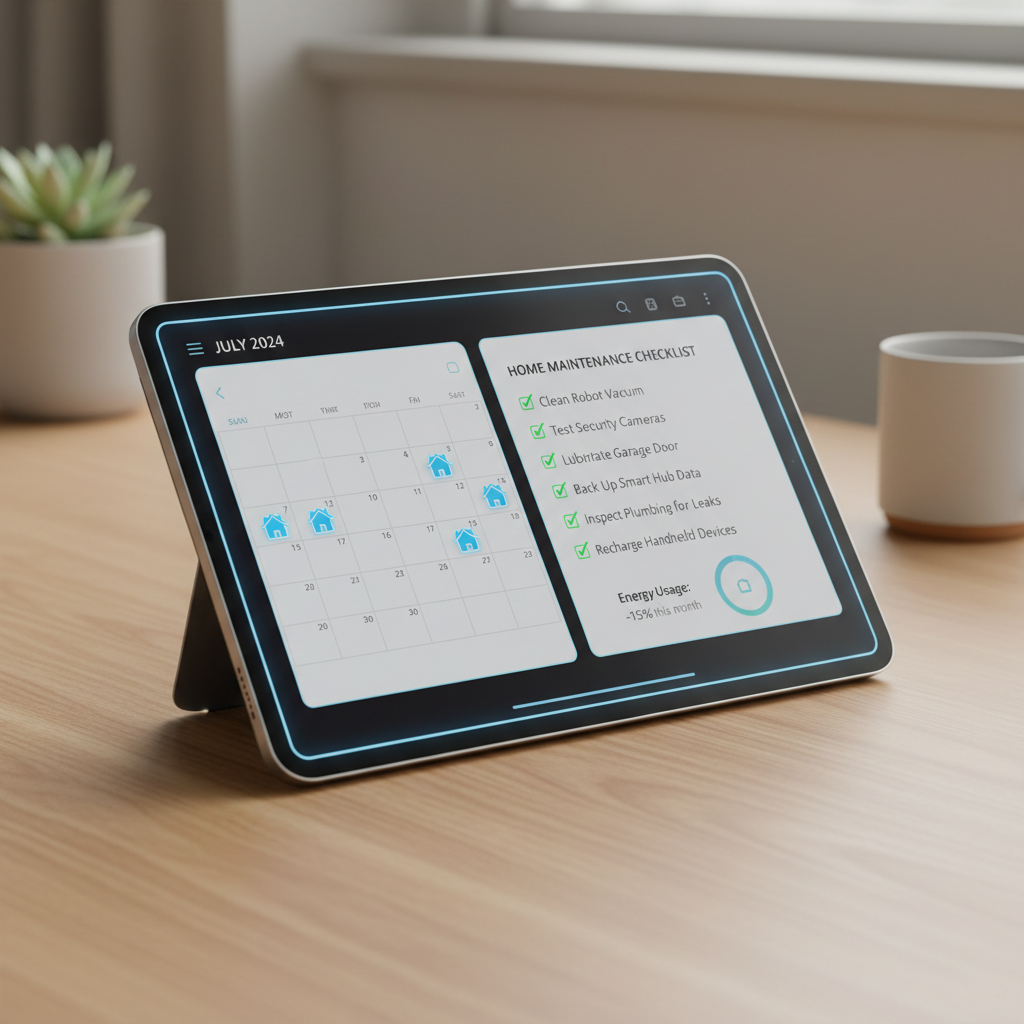
How AI Helps Homeowners Prepare for Seasonal Maintenance
How AI Helps Homeowners Prepare for Seasonal Maintenance
Seasonal maintenance can feel like a never-ending list for homeowners: winterizing pipes, spring gutter cleaning, summer HVAC checks, and fall roof inspections. Artificial intelligence (AI) can simplify that workload by helping homeowners plan maintenance, organize reminders, track recurring tasks, and keep essential property information in one place. This article explains practical, non-promotional ways AI supports routine home care and helps reduce surprises.
How AI Builds a Practical Seasonal Plan
AI tools analyze a few simple inputs—your local climate, the age and type of appliances, and your property profile—to create a prioritized seasonal plan. Instead of a generic one-size-fits-all checklist, AI can tailor timing and tasks based on conditions that matter to your home.

Example: Personalized scheduling
Provide the system with your zip code, roof material, HVAC age, and whether you have a sprinkler system. AI then recommends when to schedule specific items such as:
- Fall: inspect gutters and roof flashing before heavy rains
- Winter: insulate exposed pipes and test emergency generators
- Spring: service the air-conditioning system and test irrigation
These recommendations are based on known risk windows for similar properties rather than vague annual reminders.
Organizing Reminders and Automating Follow-ups
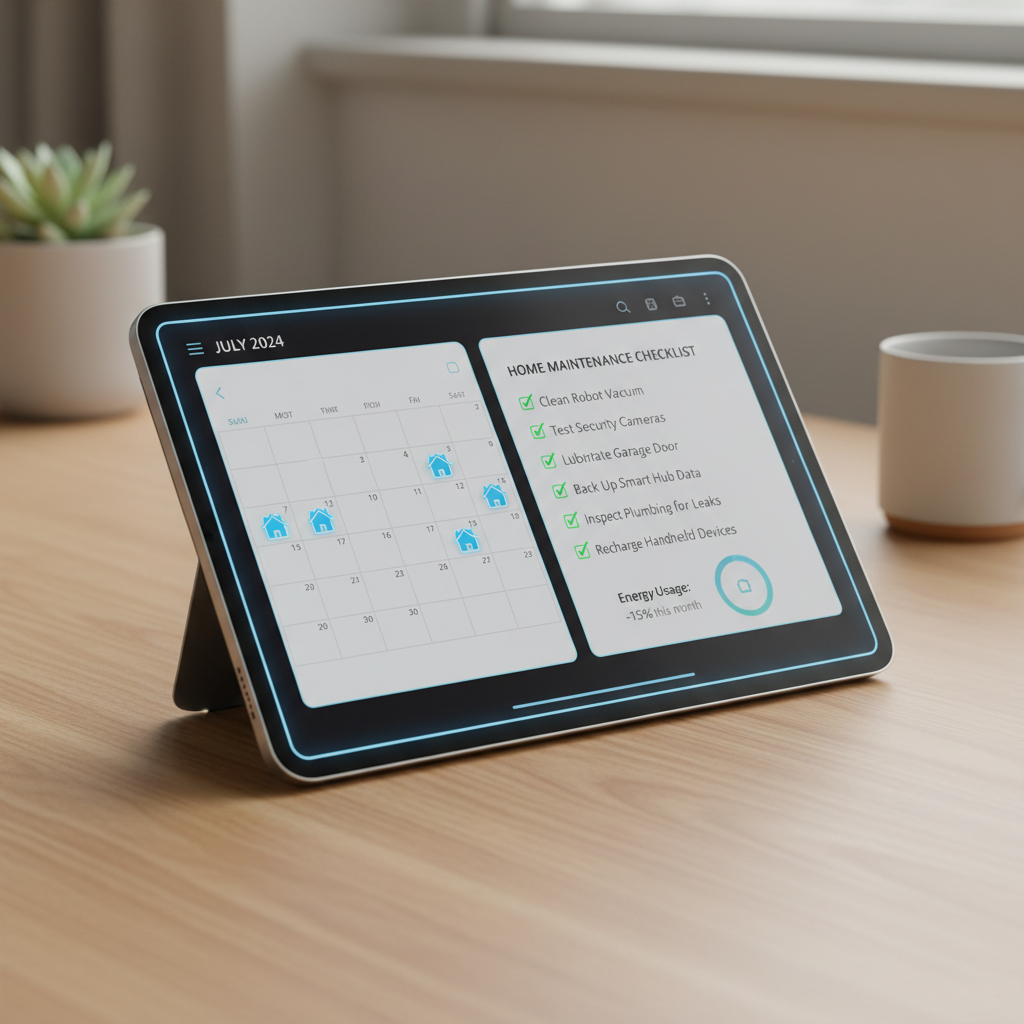
One of AI’s clearest benefits is turning a maintenance plan into a manageable schedule. AI can create reminders, batch related tasks, and push notifications to match your availability.
Practical reminder features
- Smart scheduling: Suggests the best date and time for a task based on your calendar and local contractor availability.
- Bundled tasks: Groups nearby or related chores into a single weekend session (e.g., clean gutters and trim tree limbs in one visit).
- Escalation: If a task is missed, the system suggests next steps—reschedule, hire a pro, or extend the window with guidance.
These functions prevent tasks from falling through the cracks and reduce the cognitive load on the homeowner.
Tracking Recurring Tasks and Maintenance History
Keeping a clear history of past work helps with budgeting, warranties, and resale value. AI systems can maintain structured logs that are easy to search and review.
What to record and why it matters
- Service dates and receipts for appliances and systems
- Photographs of repairs or vulnerable areas (roof, foundation, HVAC)
- Warranty and serial-number tracking for important equipment
With this history, AI can suggest optimal replacement windows for aging components and flag maintenance that aligns with warranty conditions.
Centralizing Property Information
Home information often lives in multiple places: paper manuals, emails, contractor texts. AI platforms aggregate that information into a single searchable repository.
Useful centralized items
- Floor plans, appliance manuals, and utility account details
- Contact information for preferred contractors and service providers
- Insurance policy numbers and inspection reports
Having organized records reduces time spent locating documents when you need to make decisions or file claims.
Integrations That Increase Effectiveness
AI is most useful when it connects to tools you already use. Typical integrations include calendars, email, smart thermostats, leak detectors, and task-management apps. These connections enable:
- Automatic trigger of a maintenance reminder when sensors detect anomalies
- One-click scheduling with contractors from a suggested list
- Budget tracking that updates when invoices are uploaded
Practical Example: Preparing for Winter
Imagine it’s late October. An AI system reviews your property profile and recent weather forecasts, then:
- Generates a prioritized list: insulate pipes, service furnace, inspect roof, secure outdoor faucets.
- Sends calendar invites on dates you prefer and suggests local contractors if you want professional help.
- Prompts you to photograph any vulnerable areas after work is complete and stores the receipts automatically.
That sequence keeps the process efficient without requiring you to manage dozens of separate reminders.
Limitations and Practical Considerations
AI simplifies planning and organization, but it does not replace professional inspections when needed. Homeowners should verify recommendations for critical systems and retain documentation for warranty or insurance purposes. Privacy and data security are also important—choose tools that let you control what is shared and stored.
Conclusion
AI offers practical, non-hyped support for seasonal maintenance by creating tailored plans, organizing reminders, tracking recurring tasks, and centralizing property records. Used responsibly, it reduces effort and helps homeowners stay ahead of routine maintenance, resulting in fewer surprises and better long-term care of the property.